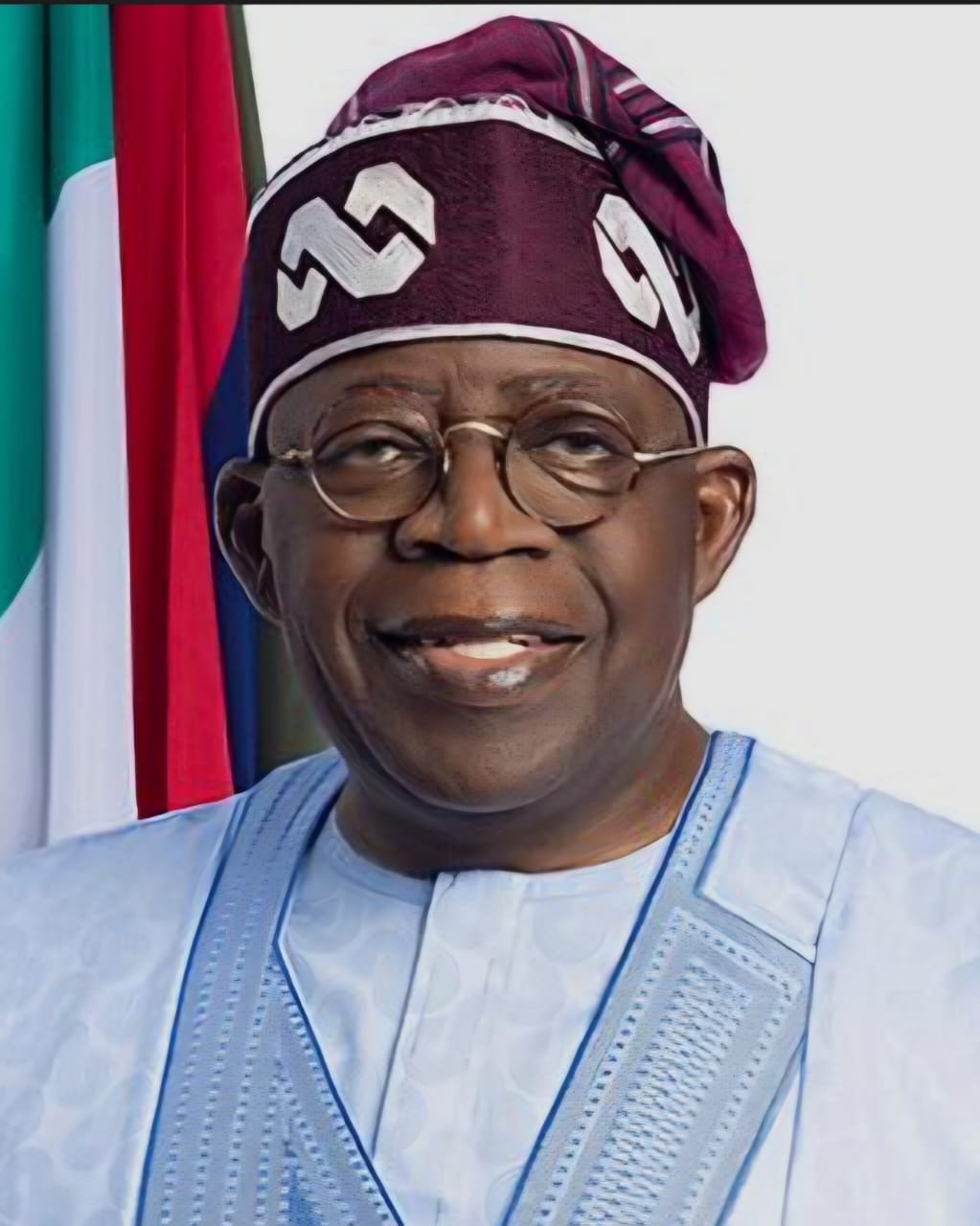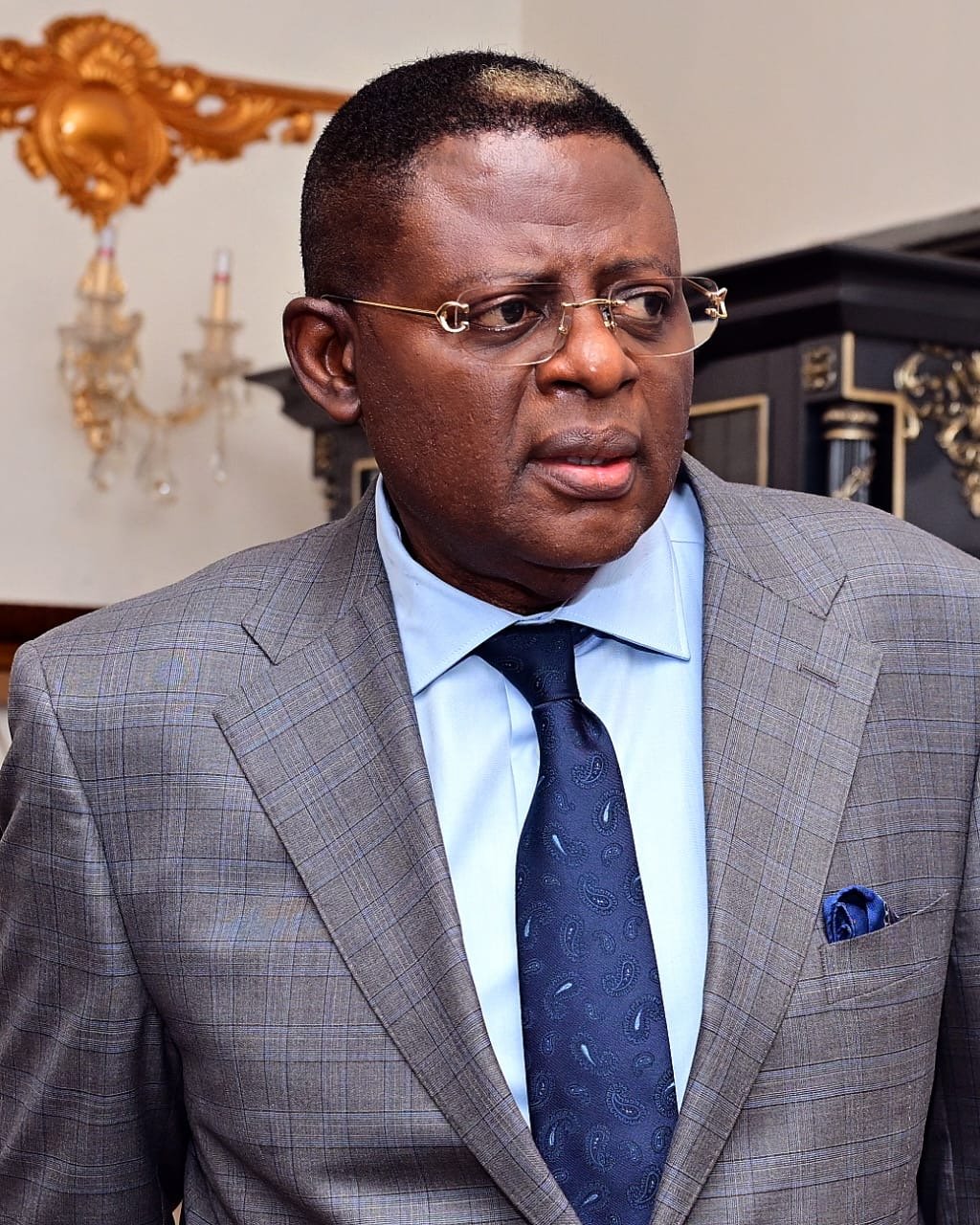






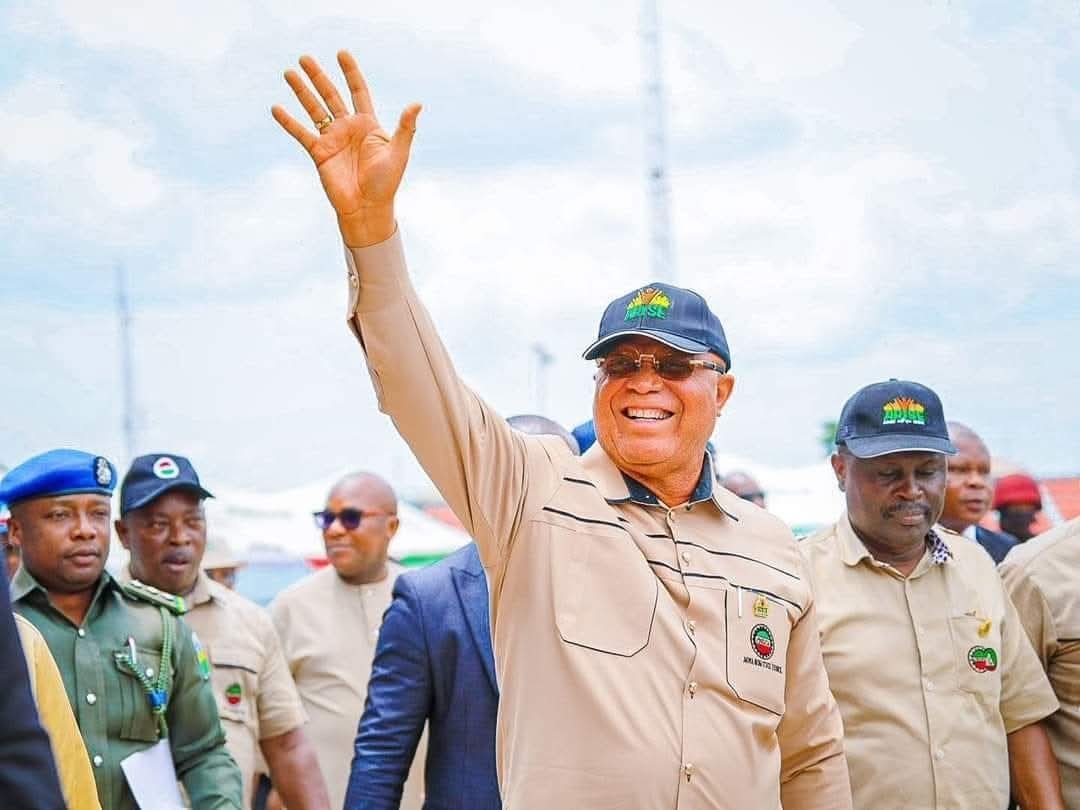
Gov. Umo Eno.
By Lucy Daniel
In a world awash with information, truth has become both more valuable and more vulnerable. From election cycles in advanced democracies to fragile peace processes in developing societies, the quality of journalism increasingly determines the quality of public life. It is against this global backdrop that Governor Pastor Umo Eno’s recent charge to journalists in Akwa Ibom State deserves attention far beyond Nigeria’s borders.
Speaking at the New Year Thanksgiving Service of the Nigeria Union of Journalists (NUJ) in Abak, the Governor reaffirmed a principle that aligns squarely with global journalistic standards: that press freedom must walk hand in hand with responsibility. His call for factual, ethical and responsible journalism echoes the core values upheld by international media bodies, from the Society of Professional Journalists’ emphasis on accuracy and minimising harm, to the International Federation of Journalists’ code on truth, independence and accountability.
At the heart of these global standards is a simple but demanding expectation: verify before publishing, separate facts from opinion, avoid unnecessary harm, and remain accountable to the public. These are not Western ideals or African adaptations; they are universal principles designed to protect societies from the dangers of misinformation, propaganda and hate-driven narratives.
Today, the challenge is no longer the absence of information but its excess. Social media platforms have flattened hierarchies, removed editorial filters and rewarded speed over scrutiny. In this environment, the temptation to publish first and verify later, or not at all, has become a global problem. From false health information to manipulated videos and politically motivated disinformation, the consequences are real: broken trust, polarised societies, economic uncertainty and, in extreme cases, violence.
Governor Umo Eno’s caution that press freedom should not be misconstrued as a licence for defamation or the spread of unverified claims speaks directly to this reality. It is a reminder that freedom of expression, as recognised by international human rights frameworks, carries corresponding duties and responsibilities. No democracy, whether in Africa, Europe, Asia or the Americas, survives long when public discourse is poisoned by deliberate falsehoods.
For Akwa Ibom State, ethical journalism is inseparable from development. Peace, social cohesion and investor confidence thrive in environments where information is credible and institutions are trusted. Under Governor Eno’s ARISE Agenda, which prioritises people-centred development, compassion and inclusive growth, governance is framed as a partnership with citizens. That partnership depends heavily on the media’s ability to report policies, projects and challenges accurately and in context.
The development initiatives highlighted in Abak, roads, schools, health centres, water projects and ARISE Compassionate Homes, are tangible efforts to improve lives. Yet, as global experience shows, infrastructure alone does not guarantee progress. Sustainable development also requires an informed public, constructive scrutiny and a media culture that critiques without distorting and questions without maligning.
Globally, responsible journalism plays three critical roles. First, it acts as a watchdog, holding power to account through evidence, not insinuation. Second, it serves as an educator, helping citizens understand complex issues—from budgets and climate change to health and security. Third, it functions as a bridge, fostering dialogue rather than deepening divisions. When these roles are abandoned, societies pay the price.
The Governor’s emphasis on guiding journalists, particularly in the age of social media, also reflects international best practice. Newsrooms worldwide are investing in fact-checking, media literacy and digital ethics to adapt to a rapidly changing information ecosystem. Nigeria’s media community must do the same, not as a concession to government, but as a commitment to professional survival and public trust.
The faith-based setting of the NUJ thanksgiving service added a moral dimension to the conversation. The message preached, “Anchored in God, Advancing with Vision”, may be rooted in scripture, but its relevance is universal. Journalism, at its core, is a moral enterprise. It demands honesty when lying is easier, restraint when outrage is profitable, and courage when truth is inconvenient.
For Nigeria, the implications extend beyond state boundaries. The nation’s democratic consolidation, electoral credibility and international reputation are shaped daily by what is reported, amplified or ignored. Globally, Nigeria is watched, studied and assessed through media narratives. A press culture grounded in global ethical standards strengthens the country’s voice; a reckless one weakens it.
Eno’s call, therefore, is not about silencing criticism or sanitising governance. It is about raising the bar, aligning local practice with global standards, and reminding journalists of their power to either heal or harm the public sphere.
At a time when trust in institutions is declining worldwide, ethical journalism remains one of democracy’s last strong defences. Choosing facts over falsehoods, context over chaos, and responsibility over recklessness is no longer optional. It is a global necessity.
In embracing these standards, journalists do more than protect their profession. They protect society itself, locally in Akwa Ibom, nationally in Nigeria, and globally in an interconnected world where one false story can travel continents in seconds.
#EthicalJournalism #TruthMatters #ResponsibleMedia #PressWithPurpose #ARISEAkwaIbom #UmoEno #JournalismForDemocracy
Daniel, SA to the Governor on Media
Writes from Uyo, Akwa Ibom State
providencemaga@yahoo.com