




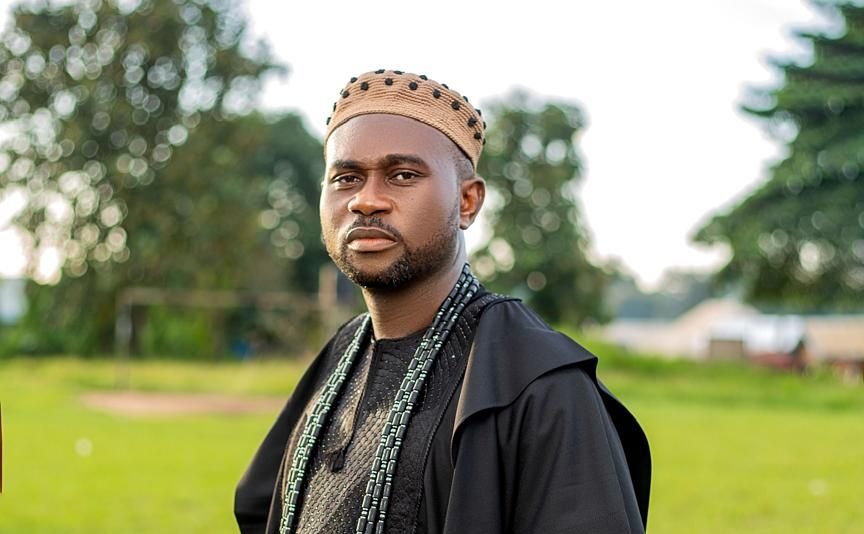
Irom Emmanuel James has emerged as a notable figure in Nigeria’s microfinance banking, agriculture and grassroots empowerment, with a career defined by institutional reforms, capital mobilisation and sustained community interventions.
From his entry into the banking sector in 2014 as an Information Technology specialist, Irom rose through the ranks to become a Managing Director, leading multiple microfinance institutions in Abuja, including Loyas Microfinance Bank and Otech Microfinance Bank, before taking up his current role at Vista Microfinance Bank. His leadership trajectory reflects a blend of technical expertise and strategic management within Nigeria’s financial system.
Banking Achievements and Sector Impact
Within the microfinance subsector, Irom’s contributions have been marked by measurable outcomes. He has attracted over N70 billion in capital into the sector since 2021, a development that has strengthened liquidity and expanded lending capacity for small businesses and farmers.
He has also led the revival of 29 distressed microfinance banks, restoring them to operational stability, while facilitating the acquisition of more than 20 new licences to deepen financial inclusion.
A key aspect of his work has been integrating financial technology firms into the microfinance ecosystem. By bringing fintech companies into the space, he has helped modernise operations and expand digital financial services.
One of the most significant milestones linked to his interventions was the acquisition of a microfinance institution he established by Flutterwave for $40 million, highlighting the growing value of fintech-driven banking models in Nigeria.
Beyond operations, Irom has engaged with regulators such as the Central Bank of Nigeria and the Nigeria Deposit Insurance Corporation on policy and sector reforms, positioning himself as a stakeholder in shaping the future of microfinance banking.
Agricultural Investments and Expansion
Alongside banking, Irom has maintained a strong presence in agriculture, focusing on rice and palm farming. His operations initially expanded in Taraba State, where he cultivated rice on a large scale before activities were disrupted by security challenges in 2024.
He later returned to Cross River State, where he established a semi-mechanised palm oil processing plant in Obubra, alongside extensive farm operations across several communities.
In 2022, he acquired a cassava starch processing factory in Ochon through a state concession. The facility, located on over 40,000 hectares of farmland, is designed to support cassava cultivation, processing and export-oriented production of starch and ethanol.
His approach links banking to agriculture by providing funding, training and financial literacy to farmers, although he has repeatedly highlighted high interest rates as a major barrier to agricultural productivity.
Education and Human Capital Development
In honour of his late father, Irom instituted an annual essay competition for secondary school students in Obubra, with winners receiving scholarships that extend from junior secondary school to university level.
Building on this initiative, he is currently constructing a large secondary school in Obubra, designed to provide modern learning facilities, boarding accommodation and technology-driven education. The project is being supported through the Irom Foundation to ensure affordability for local families.
The initiative also addresses structural gaps, including the absence of Computer-Based Test centres in the area, which forces students to travel long distances to sit for national examinations.
Youth Empowerment and Skills Development
Irom has consistently advocated for practical skills acquisition among Nigerian youths, stressing that employability depends on competence rather than academic certificates alone.
His empowerment programmes include funding for small businesses, support for traders recovering from losses, and startup capital for entrepreneurs. Beneficiaries range from motorcycle spare parts dealers to small-scale traders and livestock business owners.
He has also facilitated employment opportunities, including securing recruitment slots in the Nigeria Police Force for youths from disadvantaged backgrounds in Obubra.
Community Development and Social Responsibility
Through sustained corporate social responsibility efforts, Irom has implemented programmes targeting vulnerable groups. In February 2026, he organised a medical outreach that provided treatment for over 500 widows and persons with disabilities, alongside the distribution of food items, clothing and financial support.
In another intervention, he introduced a six-month free transport scheme for farmers, reducing operational costs and improving access to farmlands.
His involvement in peace-building efforts in conflict-affected communities has also contributed to stabilisation and recovery, with ongoing efforts to attract support from national emergency agencies for affected residents.
Sustained Grassroots Impact
Across banking, agriculture and community development, Irom’s achievements reflect a consistent focus on economic empowerment, institutional growth and social impact.
His initiatives continue to address structural challenges in finance, education and agriculture, positioning him as a key contributor to grassroots development and inclusive growth in Nigeria.