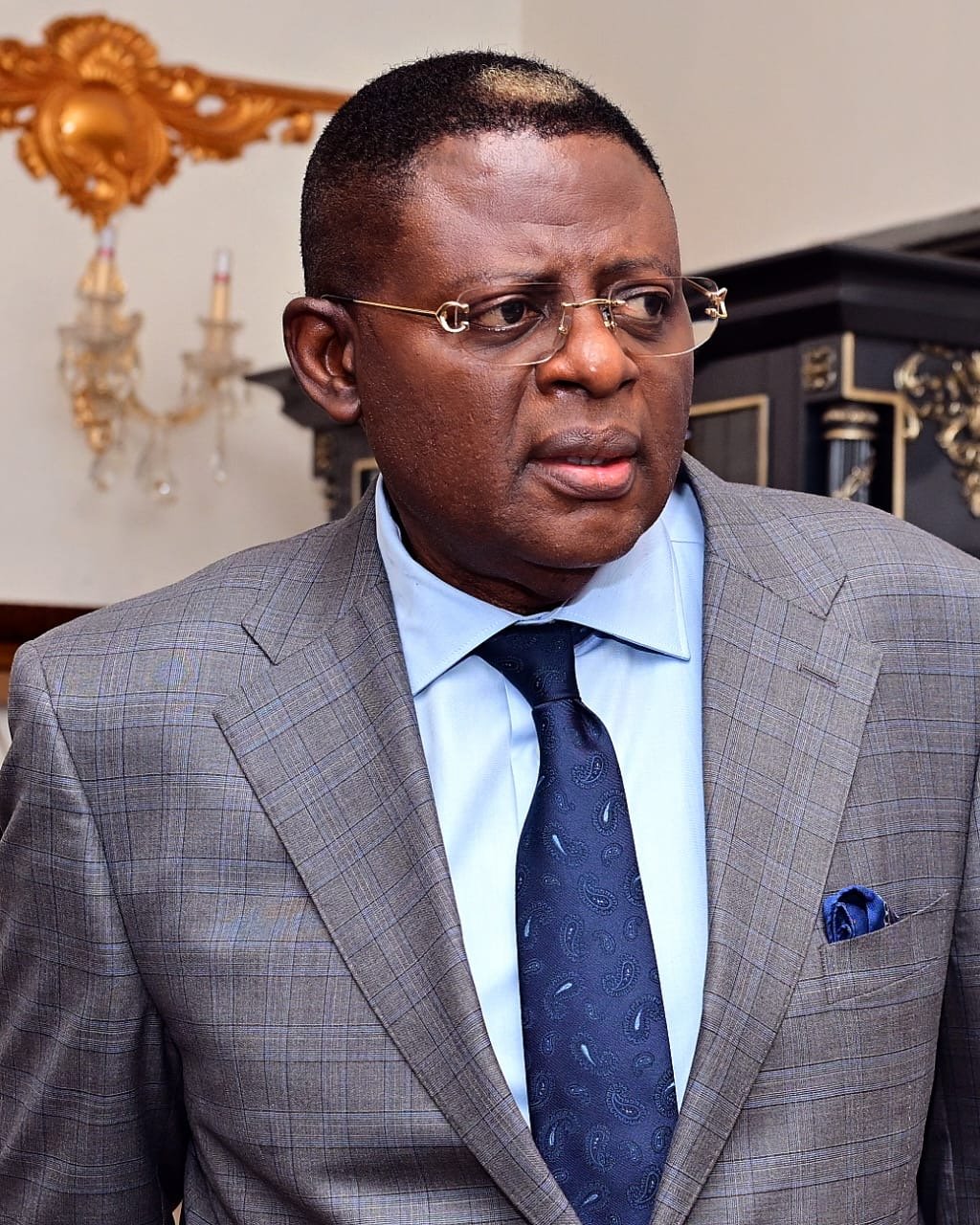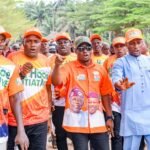
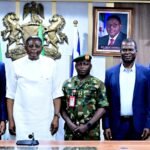
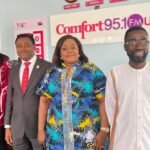
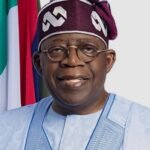
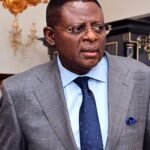

Chairman, National Sports Commission, (NSC) Mallam Shehu Dikko during an interview with Journalists on Friday.
By Ita Williams, Calabar
Nigeria’s sports sector received a renewed push for growth and professionalism on Friday as stakeholders from across the country convened in Calabar for the 2nd National Council on Sports.
The meeting, held at the Kashim Shettima Hall of the State Library Complex, was guided by the theme, “Business of Sports: Creating Jobs, Wealth, and Utility under the Renewed Hope Agenda.”
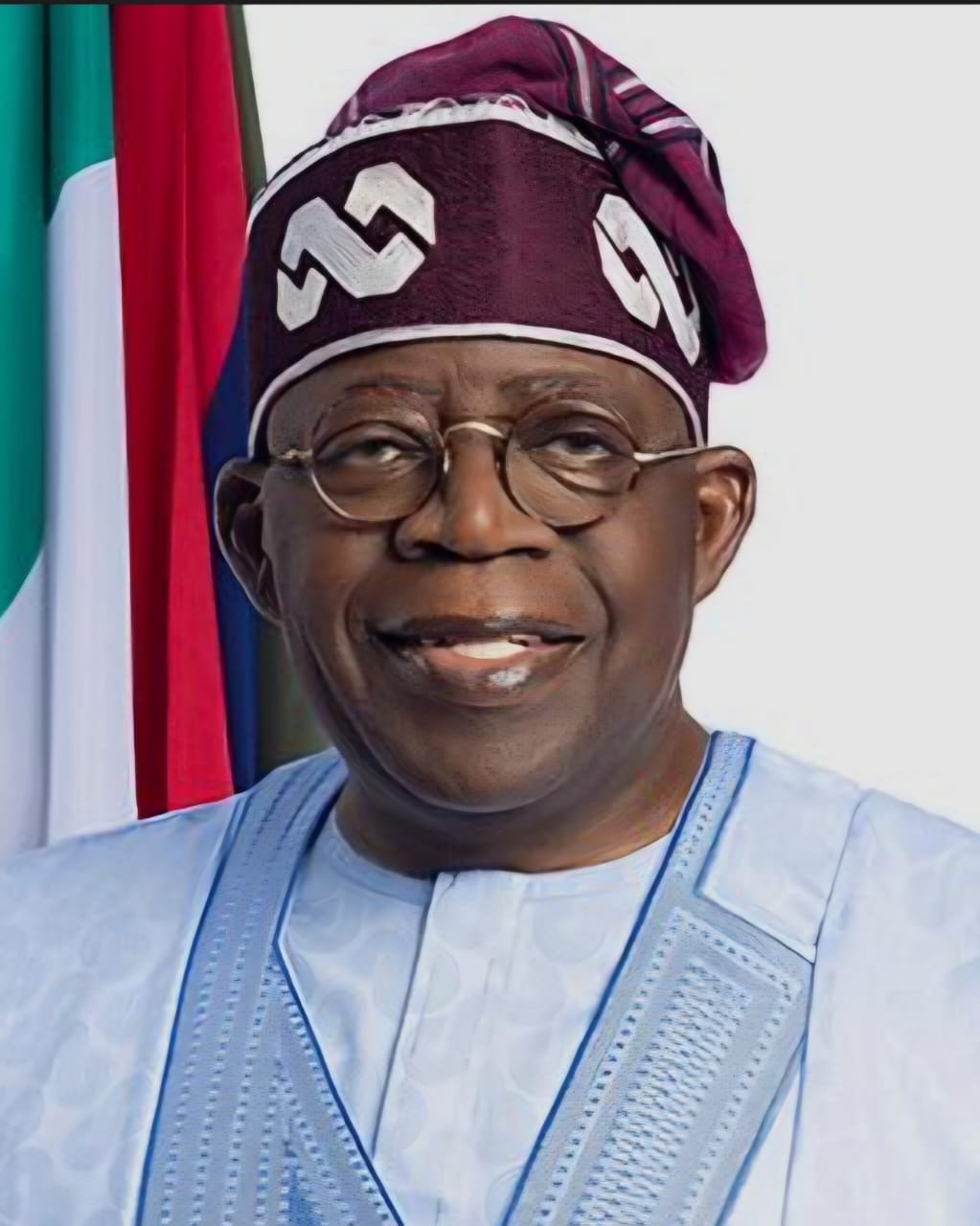
In a communiqué issued at the end of the deliberations, the council expressed strong appreciation for President Bola Ahmed Tinubu’s commitment to transforming sports into a viable economic sector.
It noted that the President’s recent redesignation of the National Sports Commission (NSC) and increased support to the industry had ushered in “a new era of professionalism and strategic growth.”

“President Tinubu’s vision and dedication have propelled the sports sector into a new phase of national relevance,” the communiqué stated.
Cross River State Governor, Senator Bassey Edet Otu, was commended for the state’s hospitality and for facilitating a successful hosting of the national gathering.
The NSC leadership also received praise for its “business-like and pragmatic approach,” which stakeholders said had contributed to the recent revival of sports administration in the country.
A major focus of the meeting was the need for comprehensive insurance coverage for athletes, officials, and sports facilities during national competitions.
Delegates were mandated to ensure centralized and verifiable insurance for teams participating in events such as the National Youth Games (NYG), National Intermediate Games (NIG), and the National Sports Festival (NSF).
The Enugu State Government received commendations for preparations to host the 23rd National Sports Festival, tagged “Coal City Games,” scheduled for November 2026.
The council also approved the construction of international-standard swimming pools in the next three NSF host states, beginning with Enugu.
Bayelsa and Kaduna States were officially named hosts for the 2028 and 2030 editions of the National Sports Festival, in recognition of their governors’ significant investments in sports infrastructure.
To improve efficiency, the council ratified the reduction of sports featured at the NSF, in collaboration with sports federations and state sports directors.
It also announced that the third National Para Games will hold in Abuja in March 2026.
On doping, the council endorsed the Nigeria Anti-Doping Policy and approved the Nigeria Anti-Doping Centre as the national coordinating agency.
“Nigeria is fully compliant with the World Anti-Doping Agency’s code, allowing our athletes to compete internationally without sanctions,” it affirmed.
The council further announced the establishment of the National Intermediate Games for athletes aged 17–20, with Lagos hosting the maiden edition in 2026.
Strong warnings were issued against age-cheating, which the council described as “a harmful practice that undermines sports integrity.”
During the year under review, the council announced that the country made a remarkable impact in sports, securing a total of 373 medals. This included 197 Gold medals, 119 Silver medals, and 77 Bronze medals, along with a total investment or earnings of N50 billion.
While commenting Lagos State for accepting to host the next council meeting, council approved expanding its membership to include private-sector players and key government agencies.